Menu
- Mary Pat Penley
- Contact
- Schedule
- Helena High School Cell Phone Policy 2026-2027
- Semester Tests
- Agendas
- Social Skills Syllabus 2026-2027
- Practical English Syllabus 2026-2027
- CC Lab Syllabus 2026-2027
- What is the role of an Accessibility Educator?
- Practical English Year at A Glance
- CC Lab Year at a Glance
- Social Skills Year At A Glance
- Mary Pat Penley
- Contact
- Schedule
- Helena High School Cell Phone Policy 2026-2027
- Semester Tests
- Agendas
- Social Skills Syllabus 2026-2027
- Practical English Syllabus 2026-2027
- CC Lab Syllabus 2026-2027
- What is the role of an Accessibility Educator?
- Practical English Year at A Glance
- CC Lab Year at a Glance
- Social Skills Year At A Glance
Mary Pat Penley
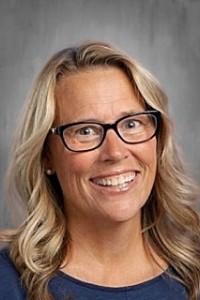
I’m excited to begin my 14th year teaching in the Helena School District! As one of the Accessible Education teachers at Helena High School, I’m passionate about supporting students in their educational journey and helping them reach their goals.
My teaching career began in 1993, following my graduation from Eastern Montana College. Over the years, I’ve had the privilege of teaching in several states—Virginia, Colorado, New Mexico, Texas, and Hawaii. I earned my Master’s degree in Special Education from the University of Northern Colorado in 1997, and a few years ago, I achieved National Board Certification.
I look forward to a wonderful year ahead, creating a supportive, engaging, and inclusive learning environment for every student. If you have questions or concerns, please don’t hesitate to contact me at mpenley@helenaschools.org.
Schedule
- Period 1 Practical Social Skills
- Period 2 Practical English
- Period 3 CC Lab
- Period 4 CC Lab
- Period 5 Co-taught American Studies 1 with Sheila Orzechowski
- Period 6 Prep
- Period 7 Case Management
Helena High School Cell Phone Policy 2026-2027
Classroom Expectation
Cell phones and electronic devices should be placed in the designated classroom location or kept in your backpack and out of sight.
Devices may only be used in the classroom for academic purposes approved by the teacher.
Progressive Discipline
Students will receive one teacher warning for not following the classroom cell phone/electronic device expectation. After that warning, the school’s progressive discipline process will be followed.
Important: Cell phone and electronic device offenses are cumulative across the student’s entire schedule. Students do not receive three separate offenses in each class.
1st Offense
- The student will turn their phone in to the main office.
- The student will receive a white slip confirming that the phone was turned in.
- The student may pick up the phone at the end of the school day.
- The teacher will document the offense in the Office Discipline Referral (ODR).
- Parents/guardians will be notified of the infraction.
2nd Offense
- The student will turn their phone in to the main office.
- Administration will contact the student’s parent/guardian to arrange for the phone to be picked up.
- The student, parent/guardian, and administration will discuss appropriate electronic device use at school.
- Staff will document the offense in the ODR.
3rd Offense
- The student will turn their phone in to the main office.
- Administration will contact the student’s parent/guardian to arrange for the phone to be picked up.
- The student will no longer be permitted to bring a cell phone or other electronic device to school unless the device is checked in at the main office at the beginning of each school day.
- Staff will document the offense in the ODR.
Restroom Use
Cell phones and electronic devices will remain in the classroom when students leave to use the restroom.
Semester Tests
Social Skills Syllabus 2026-2027
Teacher: Mary Pat Penley
mpenley@helenaschools.org
Course Description
Social Skills and Life Skills is a high-school course designed to prepare students for life after graduation. Students will develop practical skills for communication, relationships, employment, problem-solving, emotional regulation, decision-making, and greater independence.
The course focuses on real-life situations students may experience at work, in the community, in relationships, and as young adults.
What We Will Work On
Communication
Students will practice:
- Having appropriate conversations with peers and adults.
- Listening and responding appropriately.
- Expressing needs, opinions, and concerns respectfully.
- Asking questions and requesting help.
- Handling disagreements appropriately.
- Understanding personal space, boundaries, and social cues.
Self-Management
Students will learn strategies for:
- Recognizing emotions and triggers.
- Managing frustration, stress, and disappointment.
- Taking an appropriate break when needed.
- Returning to a task after becoming upset.
- Making responsible choices.
- Accepting feedback and learning from mistakes.
Problem-Solving and Decision-Making
Students will practice:
Stop → Think → Choose → Try → Check
We will use real-life situations to practice solving problems, considering consequences, making appropriate choices, and knowing when to ask for help.
Workplace Skills
Students will develop skills needed for employment, including:
- Following directions.
- Communicating with supervisors and coworkers.
- Accepting feedback.
- Staying on task.
- Working as part of a team.
- Handling changes in routine.
- Solving workplace problems.
- Using appropriate workplace language and behavior.
- Using cell phones and technology appropriately.
Independence and Self-Advocacy
Students will practice:
- Speaking up for themselves appropriately.
- Asking for clarification or assistance.
- Communicating support needs.
- Making choices and taking responsibility for those choices.
- Knowing when they can solve a problem independently and when they need help.
- Building confidence in managing everyday responsibilities.
Relationships and Community
Students will learn skills for:
- Building positive relationships.
- Respecting personal boundaries.
- Handling conflict.
- Understanding appropriate behavior in different settings.
- Communicating with community members.
- Managing unexpected changes and everyday challenges.
Learning Supports
Students will receive supports based on their individual needs. These may include visual supports, modeling, role-play, social stories, communication scripts, checklists, repeated practice, small-group instruction, and individual coaching.
The goal is to help students use these skills with increasing independence.
Bengal PRIDE
- P – Pride: Taking pride in yourself, your choices, and your accomplishments.
- R – Resilience: Learning from mistakes and continuing to try.
- I – Integrity: Making responsible and positive choices.
- D – Determination: Setting goals and staying focused.
- E – Excellence: Recognizing progress and striving to improve.
Our Goal
Our goal is to help students become confident, responsible, and more independent young adults who are prepared to communicate, work with others, solve problems, manage challenges, and advocate for themselves after high school.
Stop. Think. Choose. Try. Grow. Show your Bengal PRIDE!
Practical English Syllabus 2026-2027
Course Description
Practical English is a high-school English course focused on building reading, writing, speaking, listening, and communication skills. Students will work with age-appropriate materials and receive the supports needed to be successful.
Students will read supported novels and short stories, participate in conversations and discussions, write for different purposes, build vocabulary, and practice English skills for school, work, community, and life after high school.
What We Will Do
Supported Reading
Students will read high-interest, age-appropriate novels and other literature with teacher support.
We will:
- Read together, in small groups, and independently.
- Use audio and teacher read-aloud support when appropriate.
- Discuss characters, events, themes, and important information.
- Build vocabulary and reading comprehension.
- Share opinions and make connections to our own lives.
Conversations and Communication
Students will practice real-life communication skills.
We will work on:
- Starting and maintaining conversations.
- Listening and taking turns.
- Asking and answering questions.
- Sharing opinions and ideas.
- Disagreeing respectfully.
- Asking for clarification or help.
- Communicating appropriately at school, work, and in the community.
Writing
Students will write for meaningful, practical purposes, including:
- Responses to reading.
- Paragraphs and opinions.
- Journals and personal reflections.
- Notes, messages, and emails.
- Forms and job-related writing.
- Personal goals and creative writing.
Real-Life English
Students will apply English skills to situations they may experience after high school, including:
- Reading signs, menus, and schedules.
- Following directions.
- Shopping and comparing prices.
- Completing forms and applications.
- Practicing job interviews.
- Communicating with coworkers and supervisors.
- Using technology and cell phones appropriately.
- Solving everyday communication problems.
Supports for Learning
Students may receive visual supports, audio and read-aloud support, vocabulary instruction, guided reading, graphic organizers, sentence starters, repeated practice, additional processing time, small-group instruction, and individual support when needed.
The goal is to provide support while building confidence and independence.
Bengal PRIDE
- P – Pride: Taking pride in yourself and your work.
- R – Resilience: Learning from mistakes and continuing to try.
- I – Integrity: Making responsible and positive choices.
- D – Determination: Setting goals and staying focused.
- E – Excellence: Recognizing progress and striving to improve.
What Success Looks Like
Students will work toward being able to:
- Understand and discuss what they read.
- Share ideas and participate in conversations.
- Write for different purposes.
- Ask for help when needed.
- Communicate appropriately with others.
- Use English skills in real-life situations.
- Recognize their progress and continue working toward their goals.
Our Goal
Our goal is to help students become stronger readers, writers, speakers, listeners, and communicators while building the confidence and independence needed for life after high school.
Read. Talk. Write. Practice. Grow. Show your Bengal PRIDE!
CC Lab Syllabus 2026-2027
Welcome to CC Lab!
CC Lab is a place to get help with school, stay on top of your grades, complete assignments, and build skills that will make high school—and life after high school—a little easier.
You will have time to work, ask questions, get organized, and figure out what strategies work best for you. The goal is to help you become more confident, independent, and ready for what comes next.
What We Will Do
Academic Support
Students will use class time to:
- Complete current and missing assignments.
- Check grades and track missing work.
- Prioritize assignments and meet deadlines.
- Ask questions and get help when needed.
- Use class time productively.
- Work toward personal academic goals.
Organization and Study Skills
Students will practice:
- Managing time.
- Staying focused.
- Organizing materials.
- Using planners, calendars, and checklists.
- Preparing for tests and projects.
- Breaking large assignments into smaller steps.
- Developing strategies for becoming a more independent student.
Weekly CC Lab Activities
Each week, students will:
- Check grades at least twice.
- Complete a mini-lesson, reflection, or skill activity.
- Complete daily bell ringers and exit tickets.
- Use work time to make progress on assignments.
- Communicate with a parent/guardian, case manager, or teacher when appropriate.
- Review personal goals and progress.
- Complete Level All college and career activities.
College, Career, and Life After High School
CC Lab will also help students think about their future.
Topics may include:
- Career exploration.
- College and training options.
- Trades and apprenticeships.
- Workplace skills.
- Communication.
- Money and financial basics.
- Goal setting.
- Planning for life after high school.
There is no one right path after graduation. The goal is to help students explore their options, make informed choices, and feel prepared for their future.
Supports for Learning
Students may receive help with organization, assignment planning, technology, communication, accommodations, and other learning needs.
Students will be encouraged to ask for help, advocate for themselves, and gradually become more independent in managing their schoolwork.
Bengal PRIDE
- P – Pride: Take pride in yourself, your work, and your school.
- R – Resilience: Learn from mistakes, keep trying, and do not give up.
- I – Integrity: Be honest, make good choices, and take responsibility for your actions.
- D – Determination: Set goals, stay focused, and give it your best effort.
- E – Excellence: Keep improving and be proud of your progress.
Grading
CC Lab is a Pass/Fail support class. Your grade is based on participation, effort, attendance, and making good use of class time.
Students are expected to:
- Come prepared and ready to work.
- Stay on task.
- Try even when work is challenging.
- Ask for help when needed.
- Use technology appropriately.
- Participate in bell ringers, reflections, and exit tickets.
- Keep up with assignments and weekly activities.
- Show Bengal PRIDE.
What Success Looks Like
Students will work toward being able to:
- Keep track of assignments and grades.
- Use time effectively.
- Ask for help and advocate for themselves.
- Complete work and meet deadlines.
- Communicate with teachers and other adults.
- Use strategies and accommodations that help them learn.
- Set goals and monitor their progress.
- Take greater responsibility for their education and future.
Our Goal
Our goal is to help students become organized, confident, responsible, and independent while building the academic, workplace, and life skills they need for success after high school.
Get organized. Make a plan. Do the work. Show your Bengal PRIDE!
What is the role of an Accessibility Educator?
All accessible education teachers, often referred to as special education teachers or teachers specializing in inclusive education, focus on ensuring that all students, including those with disabilities or learning challenges, have equal opportunities to succeed in the classroom. Here’s a breakdown of what we strive to do:
- Individualized Instruction: We create tailored lesson plans and teaching strategies to meet the unique needs of each student. This might involve modifying assignments, using different teaching methods, or providing additional support.
- Collaboration: We work closely with other educators, school administrators, and parents to develop and implement Individualized Education Programs (IEPs) or 504 Plans. These plans outline specific accommodations and modifications to help students succeed.
- Support Services: We may coordinate with other specialists such as speech therapists, occupational therapists, or counselors to provide comprehensive support for students.
- Classroom Environment: We adapt the physical and social environment of the classroom to be more accessible. This might involve arranging the classroom layout to accommodate mobility devices or creating a sensory-friendly space for students with sensory processing issues.
- Behavior Management: We use positive behavior support strategies to help students with behavioral challenges. This can include developing behavioral intervention plans and teaching social and emotional skills.
- Advocacy: We advocate for the needs of students with disabilities, ensuring that their rights are upheld and that they receive the necessary resources and support.
- Assessment and Progress Monitoring: We regularly assess students’ progress and adjust instruction as needed. This involves evaluating both academic achievement and social-emotional development.
- Professional Development: We stay updated with the latest research, teaching strategies, and legal requirements related to special education and inclusive practices.
Practical English Year at A Glance
Weekly Routine
Meaning Monday — Reading
Main idea, key details, comprehension, sequencing, and text evidence.
Text Talk Tuesday — Speaking & Listening
Discussion, conversation, active listening, questions, opinions, and respectful disagreement.
Weighty Words Wednesday — Vocabulary
3–5 practical vocabulary words connected to the monthly theme.
Think & Write Thursday — Writing
Short, structured writing using sentence starters, word banks, graphic organizers, and models.
Functional Friday — Real-World Literacy
Schedules, forms, menus, job postings, maps, advertisements, workplace materials, and other authentic texts.
September — Getting Organized
Theme: Building routines and becoming an organized, independent student.
Reading: Directions, schedules, short informational texts
Speaking: Asking for help and explaining needs
Writing: Goals, reflections, notes, reminders
Functional Skills: Calendars, planners, school forms
Montana ELA Standards:
RI.9-10.1 / RI.11-12.1 — Use textual evidence
RI.9-10.2 / RI.11-12.2 — Identify central ideas and summarize
W.9-10.4 / W.11-12.4 — Produce clear writing
SL.9-10.1 / SL.11-12.1 — Participate in discussions
L.9-10.4 / L.11-12.4 — Determine meaning of words
October — Communication Skills
Theme: Communicating effectively with others.
Reading: Short stories, articles, workplace scenarios
Speaking: Listening, taking turns, asking questions, agreeing and disagreeing
Writing: Emails, messages, short responses
Functional Skills: Workplace and community communication
Montana ELA Standards:
RL.9-10.1 / RL.11-12.1 — Use evidence from literature
RI.9-10.4 / RI.11-12.4 — Determine meaning of words and phrases
SL.9-10.1 / SL.11-12.1 — Participate effectively in discussions
SL.9-10.6 / SL.11-12.6 — Adapt communication to different situations
W.9-10.4 / W.11-12.4 — Produce clear and appropriate writing
November — Careers & the Workplace
Theme: Exploring careers and preparing for employment.
Reading: Job postings, career information, workplace texts
Speaking: Interviews, workplace conversations, asking questions
Writing: Job applications, personal strengths, simple resume activities
Functional Skills: Applications, job postings, workplace directions
Montana ELA Standards:
RI.9-10.1 / RI.11-12.1 — Use evidence from informational texts
RI.9-10.4 / RI.11-12.4 — Understand technical vocabulary
RI.9-10.7 / RI.11-12.7 — Interpret information in different formats
W.9-10.2 / W.11-12.2 — Write informative texts
SL.9-10.4 / SL.11-12.4 — Present information clearly
December — Money Management
Theme: Using literacy skills to make everyday financial decisions.
Reading: Advertisements, financial articles, product information
Speaking: Comparing choices and explaining decisions
Writing: Simple budgets and financial goals
Functional Skills: Prices, receipts, advertisements, comparisons
Montana ELA Standards:
RI.9-10.2 / RI.11-12.2 — Determine central ideas and summarize
RI.9-10.4 / RI.11-12.4 — Understand vocabulary and technical language
RI.9-10.7 / RI.11-12.7 — Analyze information presented in different formats
W.9-10.2 / W.11-12.2 — Write informative explanations
SL.9-10.1 / SL.11-12.1 — Participate in discussions
January — Goals & Personal Growth
Theme: Setting goals, handling challenges, and recognizing progress.
Reading: Stories about perseverance, biographies, goal-setting texts
Speaking: Discussing strengths, challenges, and support
Writing: Personal goals, reflections, action plans
Functional Skills: Calendars, schedules, planning tools
Montana ELA Standards:
RL.9-10.2 / RL.11-12.2 — Determine themes and summarize
RI.9-10.2 / RI.11-12.2 — Identify central ideas
W.9-10.4 / W.11-12.4 — Produce clear writing
W.9-10.5 / W.11-12.5 — Develop and strengthen writing
SL.9-10.1 / SL.11-12.1 — Participate in collaborative discussions
February — Relationships & Teamwork
Theme: Building positive relationships and working successfully with others.
Reading: Stories, workplace scenarios, informational texts
Speaking: Active listening, perspective-taking, teamwork, disagreement
Writing: Responses to situations, emails, reflections
Functional Skills: Workplace interactions and problem-solving
Montana ELA Standards:
RL.9-10.3 / RL.11-12.3 — Analyze characters, events, and development
RI.9-10.3 / RI.11-12.3 — Analyze relationships among ideas and events
SL.9-10.1 / SL.11-12.1 — Collaborative discussions
SL.9-10.3 / SL.11-12.3 — Evaluate different points of view
W.9-10.4 / W.11-12.4 — Write appropriately for purpose and audience
March — Consumer Skills
Theme: Making informed choices as a consumer.
Reading: Store flyers, advertisements, reviews, product information
Speaking: Comparing choices and explaining opinions
Writing: Comparisons and short explanations
Functional Skills: Menus, prices, receipts, online information, forms
Montana ELA Standards:
RI.9-10.1 / RI.11-12.1 — Cite evidence
RI.9-10.7 / RI.11-12.7 — Analyze information from different formats
RI.9-10.8 / RI.11-12.8 — Evaluate claims and evidence
W.9-10.1 / W.11-12.1 — Write arguments/opinions
L.9-10.6 / L.11-12.6 — Acquire and use vocabulary
April — Workplace Readiness
Theme: Preparing for success at work.
Reading: Workplace directions, safety information, job postings
Speaking: Talking with supervisors, asking for help, accepting feedback
Writing: Applications, emails, workplace responses
Functional Skills: Schedules, policies, instructions, workplace forms
Montana ELA Standards:
RI.9-10.1 / RI.11-12.1 — Use evidence from informational text
RI.9-10.4 / RI.11-12.4 — Understand technical vocabulary
RI.9-10.7 / RI.11-12.7 — Interpret information in different formats
W.9-10.2 / W.11-12.2 — Informative writing
SL.9-10.6 / SL.11-12.6 — Adapt communication to different situations
May — Independent Living
Theme: Using English skills in everyday adult life.
Reading: Community information, schedules, directions, real-world documents
Speaking: Self-advocacy, making requests, asking for assistance
Writing: Forms, emails, reflections, future plans
Functional Skills: Appointments, transportation, maps, community resources
Montana ELA Standards:
RI.9-10.1 / RI.11-12.1 — Use evidence from informational texts
RI.9-10.2 / RI.11-12.2 — Summarize and identify central ideas
W.9-10.4 / W.11-12.4 — Produce clear writing
SL.9-10.1 / SL.11-12.1 — Participate in discussions
SL.9-10.6 / SL.11-12.6 — Communicate appropriately for different situations
L.9-10.6 / L.11-12.6 — Use academic and practical vocabulary
CC Lab Year at a Glance
August — Getting Started
Class routines, organization, checking grades, identifying missing assignments, and setting academic goals.
September — Organization & Time Management
Planners, deadlines, prioritizing assignments, staying on task, and developing work habits.
October — Academic Success
Study skills, completing assignments, checking progress, asking for help, and preparing for tests.
November — Communication & Self-Advocacy
Communicating with teachers, asking questions, requesting help, and learning to advocate for learning needs.
December — Progress Check
Review grades, missing assignments, academic progress, personal goals, and semester accomplishments.
January — Goal Setting & Future Planning
Set academic and personal goals, identify strengths, and begin planning for life after high school.
February — Career Exploration
Explore careers, workplace expectations, communication, teamwork, and employability skills.
March — College, Training & Trades
Explore college, technical programs, trades, apprenticeships, and other post-high-school options.
April — Financial & Life Skills
Money basics, budgeting, responsibility, decision-making, and preparing for adulthood.
May — College & Career Readiness
Resumes, applications, interviews, workplace communication, and next-step planning.
June — Reflection & Transition
Review growth, celebrate accomplishments, and prepare for the next school year or post-high-school transition.
Weekly CC Lab Plan
Monday — Check & Plan
- Check grades
- Check missing assignments
- Review upcoming deadlines
- Make a weekly work plan
Tuesday — Work & Progress
- Complete current or missing assignments
- Ask teachers for clarification
- Work toward weekly goals
Wednesday — Monitor & Communicate
- Check assignment progress
- Review grades and missing work
- Email teachers when needed
- Practice appropriate school communication
Thursday — Follow Up
- Complete unfinished work
- Follow up with teachers
- Contact parent/guardian when appropriate
- Update work plan
Friday — Review & Reflect
- Check grades and missing assignments
- Review completed work
- Identify what still needs to be done
- Reflect on progress
- Set goals for the following week
Montana Standards Connection
CC Lab supports students in developing skills connected to Montana’s college, career, and life-readiness expectations, including:
- Communication
- Critical thinking and problem-solving
- Collaboration
- Self-management
- Career exploration and preparation
- Goal setting and planning
- Responsibility and accountability
- Postsecondary and workforce readiness
Students will practice these skills through real schoolwork, grade monitoring, communication with teachers and families, career activities, and planning for life after high school.
Yearlong Focus
Check Grades → Identify Missing Work → Make a Plan → Do the Work → Communicate → Follow Up → Grow in Independence
Show Your Bengal PRIDE!
Social Skills Year At A Glance
Weekly Class Structure
Monday — Current Events & Communication
Focus: Communication, perspective-taking, and respectful discussion
Students will:
Discuss current events and real-world topics
Practice listening without interrupting
Share opinions respectfully
Consider different perspectives
Identify emotions and viewpoints
Practice respectful disagreement
Tuesday — Social Skills & Real-Life Scenarios
Focus: Communication, relationships, and conflict resolution
Students will practice:
Having appropriate conversations
Handling disagreements
Using “I” statements
Managing tone and body language
Responding to disrespect appropriately
Knowing when to walk away
Asking for help when needed
Handling misunderstandings
Wednesday — Art Expression & Creative SEL
Focus: Emotional expression and self-awareness
Students may:
Draw their emotions
Create an “Inside vs. Outside” mask
Make a collage about who they are and who they want to become
Create a coping-skills or strengths mural
Use art to express feelings that may be difficult to verbalize
Reflection:
What did I choose to show?
What helps me feel calm?
Thursday — Life Skills & Decision-Making
Focus: Independence, problem-solving, and future planning
Students will practice:
Budgeting and money skills
Job expectations
Making responsible choices
Understanding consequences
Planning ahead
Understanding impulse vs. planned decisions
Using the problem-solving process
Problem-Solving Strategy:
STOP → THINK → CHOOSE → TRY → GROW
Friday — Reflection & Community Building
Focus: Self-reflection, confidence, and positive identity
Students will:
Celebrate weekly successes
Reflect on challenges
Identify personal strengths
Talk about what they learned
Set goals
Participate in cooperative activities
Practice positive peer relationships
Weekly Reflection:
What went well?
What was hard?
What did I learn about myself?
Year-at-a-Glance
August — Building Our Classroom Community
Focus: Getting to know each other, routines, expectations, and belonging
Students will work on:
Classroom routines
Communication basics
Getting to know others
Asking for help
Understanding classroom expectations
Building trust
PRIDE Focus: Pride
September — Communication
Focus: Talking, listening, and responding appropriately
Students will practice:
Starting conversations
Taking turns
Active listening
Asking questions
Expressing needs
Appropriate communication with adults and peers
PRIDE Focus: Pride + Integrity
October — Conflict & Problem-Solving
Focus: Handling disagreements and difficult situations
Students will practice:
“I” statements
Managing tone
Walking away appropriately
Solving problems
Understanding consequences
Knowing when to ask for help
PRIDE Focus: Resilience + Integrity
November — Boundaries & Relationships
Focus: Personal space, boundaries, friendship, and respect
Students will learn:
Personal boundaries
Social cues
Appropriate behavior
Healthy friendships
Respecting others
Handling uncomfortable situations
PRIDE Focus: Integrity
December — Emotional Regulation & Coping
Focus: Managing stress, frustration, and disappointment
Students will practice:
Identifying emotions
Recognizing triggers
Using coping strategies
Taking appropriate breaks
Returning to tasks
Managing disappointment
PRIDE Focus: Resilience
January — Goals & Self-Advocacy
Focus: Speaking up, setting goals, and taking responsibility
Students will practice:
Asking for clarification
Requesting assistance
Communicating support needs
Setting personal goals
Making choices
Taking responsibility
PRIDE Focus: Determination
February — Healthy Relationships
Focus: Friendship, communication, boundaries, and respect
Students will learn:
What makes a healthy relationship
How to be a good friend
How to handle disagreements
Respecting boundaries
Appropriate communication
Recognizing healthy and unhealthy behaviors
PRIDE Focus: Integrity + Resilience
March — Workplace Skills
Focus: Preparing for employment
Students will practice:
Following directions
Staying on task
Communicating with supervisors
Working with coworkers
Accepting feedback
Using appropriate workplace language
Handling changes in routine
Solving workplace problems
Appropriate cell phone and technology use
PRIDE Focus: Determination + Excellence
April — Community & Independence
Focus: Navigating real-world situations
Students will practice:
Appropriate community behavior
Communicating with community members
Handling unexpected situations
Making safe and responsible choices
Asking for help
Solving everyday problems
PRIDE Focus: Independence + Resilience
May — Life After High School
Focus: Preparing for adulthood
Students will explore:
Employment
Independent living
Responsibilities
Decision-making
Community participation
Self-advocacy
Future goals
Adult communication
PRIDE Focus: Determination + Excellence
June — Reflection, Growth & Celebration
Focus: Recognizing progress and preparing for the future
Students will reflect on:
Skills they have learned
Personal growth
Challenges they have overcome
Strengths
Future goals
Increased independence
PRIDE Focus: All Five
P — Pride
Taking pride in yourself, your choices, and your accomplishments.
R — Resilience
Learning from mistakes and continuing to try.
I — Integrity
Making responsible and positive choices.
D — Determination
Setting goals and staying focused.
E — Excellence
Recognizing progress and striving to improve.
Learning Supports
Students will receive supports based on their individual needs. Supports may include:
Visual supports
Modeling
Role-play
Social stories
Communication scripts
Checklists
Repeated practice
Small-group instruction
Individual coaching
Opportunities to practice skills in real-life situations
Students will be encouraged to move from supported practice toward greater independence.
Our Goal
Our goal is to help students become confident, responsible, and more independent young adults who are prepared to:
Communicate effectively
Build positive relationships
Work with others
Manage challenges
Solve problems
Make responsible decisions
Advocate for themselves
Participate successfully in their community
Prepare for life after high school