Menu
- Tyler Hollow
- Contact
- Schedule
- Biology Unit 1 Nature of Science
- Biology Unit 2 Ecology
- Biology Unit 3 Biochemistry
- Biology Unit 4 Cell Structure and Function
- Biology Unit 5 Cell Growth and Division
- Biology Unit 6 Genetics
- Biology Unit 7 Evolution
- Earth and Space Science Nature of Science Unit
- Earth and Space Science Hydrology Information
- Earth and Space Science Weather and Climate Unit
- Earth Science Weather and Storms Information
- Earth and Space Science Astronomy Unit
- Earth and Space Science Plate Tectonic Unit
- Earth and Space Science Volcano Information
- Earth and Space Science Earthquake Information
- Earth and Space Science Geologic Time Unit
- Tyler Hollow
- Contact
- Schedule
- Biology Unit 1 Nature of Science
- Biology Unit 2 Ecology
- Biology Unit 3 Biochemistry
- Biology Unit 4 Cell Structure and Function
- Biology Unit 5 Cell Growth and Division
- Biology Unit 6 Genetics
- Biology Unit 7 Evolution
- Earth and Space Science Nature of Science Unit
- Earth and Space Science Hydrology Information
- Earth and Space Science Weather and Climate Unit
- Earth Science Weather and Storms Information
- Earth and Space Science Astronomy Unit
- Earth and Space Science Plate Tectonic Unit
- Earth and Space Science Volcano Information
- Earth and Space Science Earthquake Information
- Earth and Space Science Geologic Time Unit
Tyler Hollow

Welcome to Mr. Tyler Hollow’s class!
I am a science teacher at Helena High School and my goal is for students to think like scientists and do what scientists do. I have taught over twenty years in many different science subjects including Earth and Space, Biology, Biomed 4, Chemistry, Wildlife Biology, AP Research and Horticulture. I am passionate about science and I enjoy exploring the amazing natural phenomena in Montana, especially rivers and mountain ranges and seeing wild things in wild places.
I grew up in Helena and went to college at Seattle Pacific University for my first year and finished my undergraduate degree at The College of Idaho. I earned a Bachelor of Science in Biology with a Natural Science Teaching Minor and played varsity soccer and ski raced. After graduation, I worked professionally in the northwest as a Fish Technician, Wolf Biologist, a wildlife guide, and as an environmental consultant. Additionally, I have taught High School Science in Meridian, Idaho and Victor, Montana. I graduated with a Masters in Science Teaching from Montana State University in 2018.
My wife and I have two children that are in the Helena Public Schools which I am proud to be a apart of. I enjoy the outdoors through trail running, river rafting, biking and all types of skiing. I also spend time coaching youth sports.
Links
-
Biology Weekly Agendas
Here is the updated agenda for the week with learning targets.
Schedule
- Period 1 Biology
- Period 2 Prep
- Period 3 Biology
- Period 4 Biology
- Period 5 Hall Duty and Parking Lot
- Period 6 Biology
- Period 7 Biology
Biology Unit 1 Nature of Science
In this introductory unit, students will explore the process of science. Students will use scientific tools to investigate living organisms. Students will understand the difference between scientific theories and scientific laws and improve upon their analysis skills. Skills learned in this unit will be used throughout the year.
Biology Unit 2 Ecology
Ecology is the study of species and their interaction with each other and their environment. In Ecology, we will take an in depth look at how humans affect ecosystems.
- Yellowstone Ecosystem and the Effects of Wolves
- Slug Phenomenon
- Case study Kokanee Resource
- Gulf of Mexico Dead Zone
- Bioaccumulation
- Flathead Lake Aquatic Ecosystem
- Ecological Succession Explained
- Why Wildfires are Important by HHS’s Jim Schulz
- Keystone Species Film “Serengeti Rules”
- Biome Project
- Algae Lab
- Energy Pyramid Activity
- Energy Pyramid Model
- Chapter 3 Reading Guide
- Case study Kokanee Salmon #1
- Case study Kokanee #2
- Case study Kokanee #3
- Case study Kokanee #4 reading
- Case study Kokanee Salmon question #4
- Case Study Kokanee Salmon #5
- Energy Pyramid Lab
- Ecological Sucession
- Ch. 3 Ecosystems, Energy Flows and Nutrient Cycles
- Human Impact Project
- Human Impact Project Template
Biology Unit 3 Biochemistry
Biochemistry Unit explores the basics of chemistry and applies the chemistry to biological function such as digestion and pH balance.
- Radioactive Isotopes in Medicine
- Marie Curie Part I
- Why ponds need lime
- Enzymes Explained
- Celiac disease explained
- Chemical Composition of Human Body
- Chemistry Concept Map
- Biochemistry Vocab
- Ionic Bonding Lab
- Water Property Lab
- Water Properties Notes
- Acids, bases and pH lab
- Buffer Lab
- Catalase Enzyme Lab
- Nutrition Activity
- Macromolecules and Enzyme Notes
- Chemistry Notes
- Biochemistry Unit Test Review
Biology Unit 4 Cell Structure and Function
The Cell Unit will goes into depth on structure and function of the organelles and examine different types of cells. Another focus in the unit is how energy is made and used in Cellular Respiration and Photosynthesis.
- Bill Nye teaches about Cells
- Cell Structure Overview
- Cell Theory
- Active and Passive Transport
- Cell Membrane
- Fluid Mosaic Model
- Paul Anderson explains cell membranes
- Rate of Photosynthesis Lab Walk-through
- Where do trees get their food?
- Amoeba Sisters – Photosynthesis Overview
- Amoeba Sisters – Explains cellular respiration
- Sci Show explains cellular respiration
- Planting Trees to combat Climate Change
- Cell Organelle Catalog
- Chapter 7 section 2 Reading Guide
- Cell Lab
- Osmosis Egg Lab
- Dialysis Tubing Lab
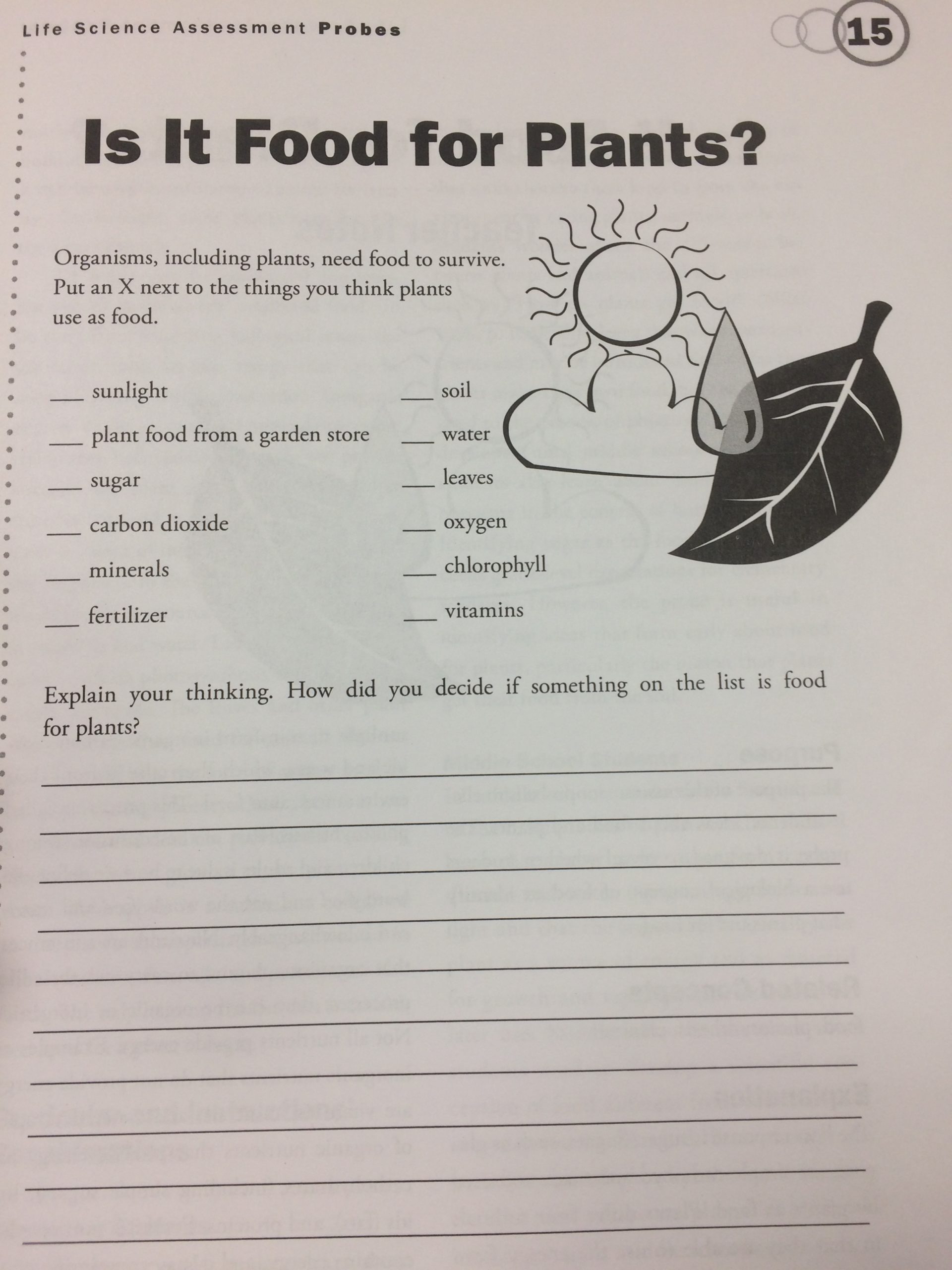
- Is it food for plants?
- Photosynthesis Concept Map
- Photosynthesis Notes
- Lab: Effects of Exercise on Cellular Respiration
- Article on Climate Change
- Notes on Cellular Respiration
- Fermentation Lab
Biology Unit 5 Cell Growth and Division
- Divide and conquer website #1
- Divide and conquer website #2
- Preventing spread of SARS coronavirus-2 in humans
- Why everything is closing for coronavirus: It’s called “flattening the curve”
- Cancer Cell Activity
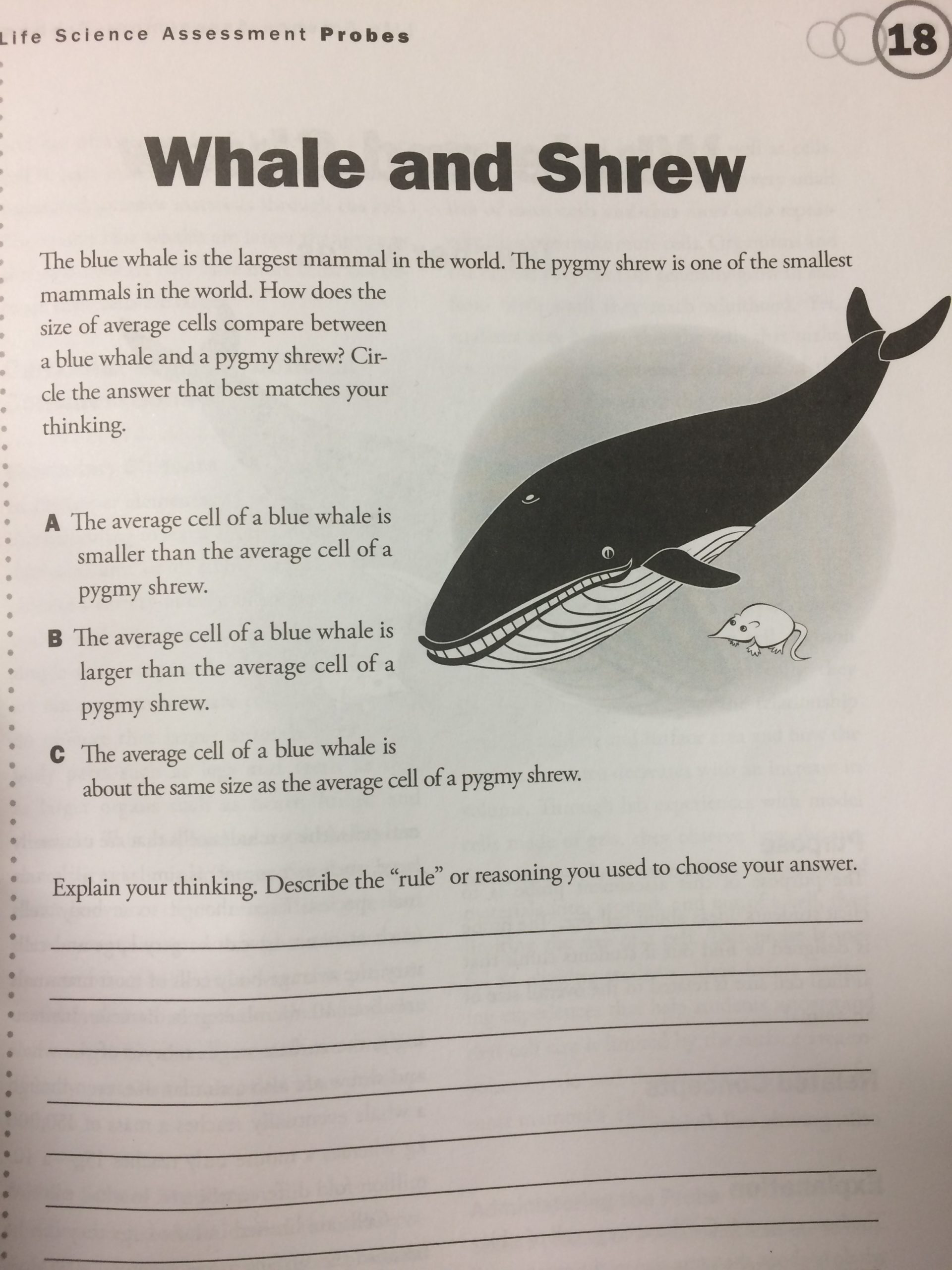
- Whale vs. Shrew
- Mitosis Online Activity
- Chapter 10 Reading Guide on cell division
- Cell Cycle PowerPoint
Biology Unit 6 Genetics
Students will explore DNA and how proteins are made in developing life. Students will understand technology advances, genetic diseases and molecular basis of life.
Biology Unit 7 Evolution
Students will explore how evolution works. They will take a close look at how the changes in DNA affect species and understand that all species evolve.
Earth and Space Science Nature of Science Unit
Students will engage in Science and Engineering Practices so they think like scientists and work like scientists. Student will apply the Metric System and Measuring to investigate scientific questions through experimental design.
Earth Science Text Resources: Chapter 1 Introduction to Earth Science
Earth and Space Science Hydrology Information
Students will explore the water cycle in depth, spending time engaging in fun activities in surface water, groundwater and glaciers. Hydrology Unit is covered in Chapter 6 in the Earth Science text book if students need additional support.
Earth Science Text Resources: Chapter 6. Running Water and Groundwater
- Hydrological Cycle Video
- Stream Table Dynamics
- White Water Rafting the Zambezi River, Tanzania Africa
- Check out this Kayaker in the Zambezi River Africa
- Watershed animation
- Deltas
- Why do rivers curve?
- Where did our water come from?
- Milltown Dam Removal
- Ten-mile Creek Watershed
- Rafting the Colorado River
- River Runs Through It
- Ucayali River
- Salmon: Running the Gauntlet
- Acid Mine Drainage Information
- Eutrophication Information
- Eutrophication Information
- Forest Fires Information
- Forest Fires Information
- Dams and Salmon Information
- Mine/Smelter Waste
- Acid Mine Drainage Information
- Dams and Salmon Information
- Watershed Notes
- Hydrology Reading Guide and Vocabulary
- Hydrology Unit Test Review
- Asarco Project
- Stream Table Lab
- Groundwater Notes
- Porosity Lab
Earth and Space Science Weather and Climate Unit
Students will explore the layers of the atmosphere, investigate the Ozone Layer, develop an opinion on Climate Change based on analysis of evidence and design a solution to fix the carbon cycle.
Earth Science Text Resources: Chapter 17. The Atmosphere: Structure and Temperature
- Stratosphere Jump
- Tour of Atmosphere
- Cryosphere
- Scishow Climate Change
- Misconceptions on Temperature
- Misconceptions on Heat
- New York Times Article Carbon Dioxide Levels
- NASA Climate Page
- Exploding Ice from Methane
- Carbon Cycling
- Link 1 Internet Investigation for Carbon Cycle
- Link 2 Internet Investigation
- Link 3 Internet Investigation
- Link 4 Internet Investigation
- “Our Atmosphere,” National Geographic
- Greenhouse Effect Simulation
- Atmosphere Mural
- Atmosphere Notes
- Ozone Notes
- Article on Ozone
- Heat Transfer Notes
- Notes on Climate Change
- Global Warming Probe
- Greenhouse Effect pHet Simulation
- Carbon Cycling Model Project
- Carbon Cycle Internet Investigation
- Atmosphere Unit Test Review
Earth Science Weather and Storms Information
Students will investigate weather patterns, cloud formations, storms and effects of difference of pressure. Students will explore storms and the effect of climate change on these systems.
Earth Science Text Resources: Chapter 18. Moisture, Clouds and Precipitation; Chapter 19. Air Pressure and Wind; and Chapter 20. Weather Patterns and Severe Storms.
- Relative Humidity at Football Practice
- NOAA Helena, Montana Forecast
- Coriolis Effect and Toilet Swirls
- Can Crushing Demonstration
- “What is the Recipe for a Cloud?”
- What would you feel like in a vacuum in space?
- Tanker Crushed
- Weather Channel Maps
- Convection Causes Wind Activity
- Wind Map
- Real Time Weather Map
- Total Recall pressure scene
- “Unchained Goddess” Weather Review
- Humidity Notes
- Dew Point and Relative Humidity Lab
- Cloud Notes
- Notes Air Pressure and Winds
- Notes Air Masses and Fronts
- Weather and Storms Review
- Storm Stations
- Can Crushing
- “Cloud in a Bottle” Lab
- Pressure Worksheet
- El Nino Activity
Earth and Space Science Astronomy Unit
Astronomy is the study of the area outside of earth’s atmosphere. Students will investigate craters on moon and the reason for phases of the moon. Students will explore the universe’s laws and scientific theories such as gravitational attractions effects on planets. Students will study star composition and technology that has led to the understanding of our universe.
Earth Science Text Resources: Chapter 22. Origin of Modern Astronomy; Chapter 23. Touring our Solar System; Chapter 24. Studying the Sun; and Chapter 25. Beyond our Solar System.
- View NASA web page.
- Watch these NASA science casts
- Apollo 15 Feather and Hammer Drop. Newton’s 2nd Law
- Big Bang theory explained by Stephen Hawking
- Hidden Figures Trailer
- Failure is Not An Option Video
- Scale model of stars compared to earth
- Hubble Telescope NASA
- The Expanding Universe Nova
- Newton and Einstein – The Elegant University
- Gravity Explained
- Kepler Spacecraft
- The Life Cycle of a Star
- The Secrets of Our Solar System
- Running the Loop
- Period of Orbit Lab
- Astronomy Notes
- Big Bang News Activity
- Doppler Effect Activity
- Kepler’s 2nd Law
- Astronomy Test Review
- Solar System Project
- Lunar Hats Lab
- Astronomer Push Edges of Final Frontier – Article Challenge
- Astronomer have Found a Galaxay Far – Article
- Web quest: Life Cycle of Stars
Earth and Space Science Plate Tectonic Unit
Students will explore Earth’s interior and the dynamics of plate movement. Students will investigate different types of plate boundaries and their resulting features.
Earth Science Text Resources:Chapter 8. Earthquakes and Earth’s Interior; and Chapter 9. Plate Tectonics
- “Magnetism” National Geographic Articl
- What causes Northern Lights?
- Alfred Wegener Song
- Layers of Earth song
- Plate Tectonic Review Video
- Iceland and Divergent Boundary
- Radiocarbon Dating Explained
- SciShow Radiocarbon Dating Explained
- Plate Tectonic Notes
- Module Magnetism
- Module Plate Tectonics
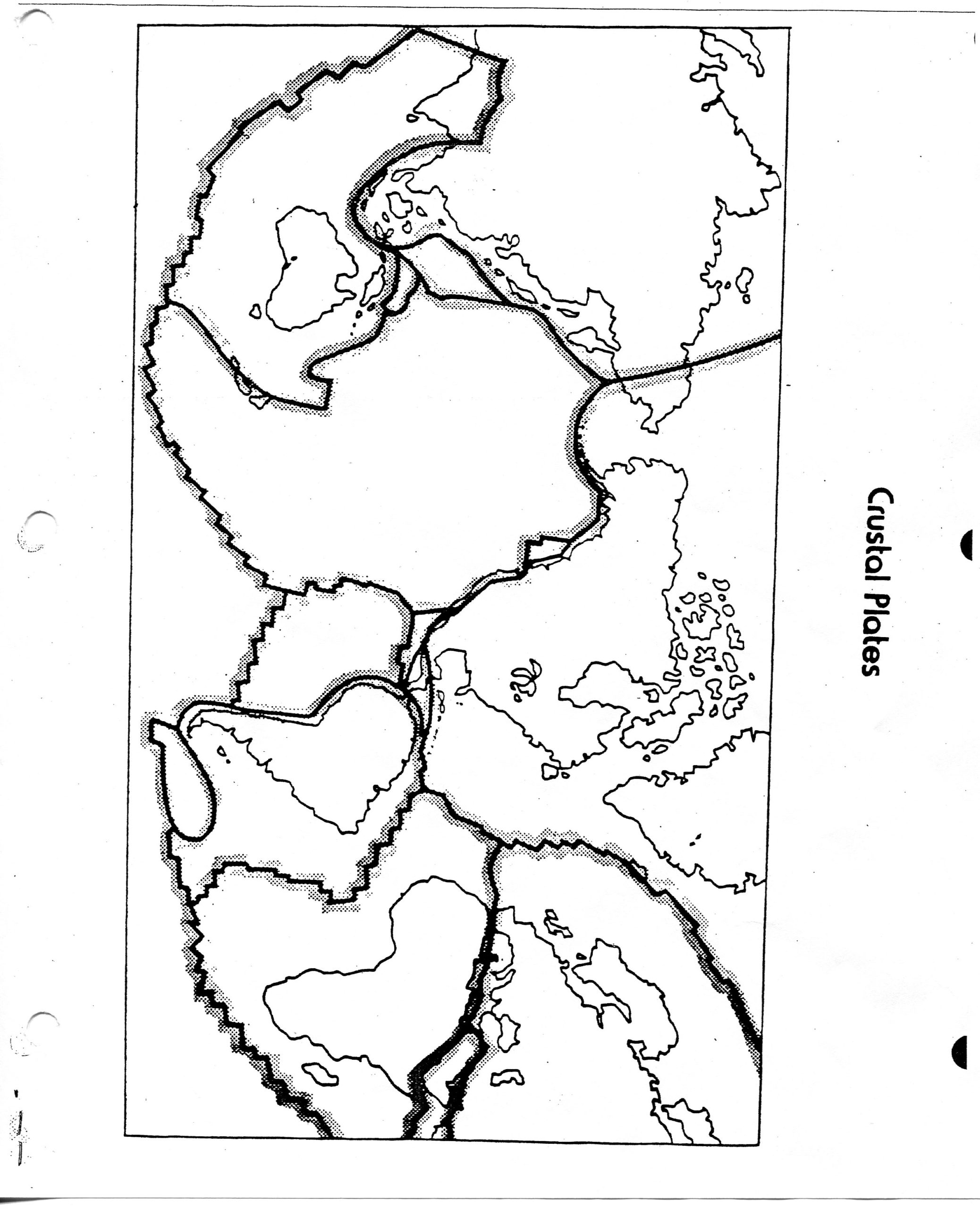
- Plate Boundaries and Their Location
- Map with Plate Boundaries and Their Location
- Plate Feature Research Project
- Plate Tectonic Test Review
- Earth’s Interior Notes
Earth and Space Science Volcano Information
Students will explore the dynamics of volcanism by learning the origin of igneous rocks and why volcanoes occur.
Earth Science Text Resources: Chapter 10. Volcanoes and Other Igneous Activity; and Chapter 11 Mountain Building
- Volcanoes and Volcanic Glass Great Information for Kids
- Dissolved gas demonstration
- Read this to learn more about Lake Nyos disaster
- Great animation of Volcanics and Plate Tectonics
- Volcano Project Check out this web page on Yellowstone Volcanism
- Watch this Volcano Dive in the South Pacific
- Go here to complete the Crown Butte Field Trip for a replacement grade.
- Mt. St. Helens
- Check this out! Alex Honnold Climbs Half Dome in Yosemite (Big Batholith)
- Volcano Project USGS site for volcanoes
- Volcano Project Volcano World
- Volcano Project Student Resources in Context
- Volcano Project Science in Context
- Volcano Project Craters of the Moon
- Volcano Project Smithsonian Institute
- Volcano Project Use this site for finding pictures
- Volcano Project Go here for citation help
- Volcano Project Hawaiian Volcanism
- Volcano Project Volcanoes and Volcanic Eruptions at Geology.com
- Volcano and Earthquake Unit Test Review
- Volcano Notes
- Volcano Project Ideas to Build a Volcano
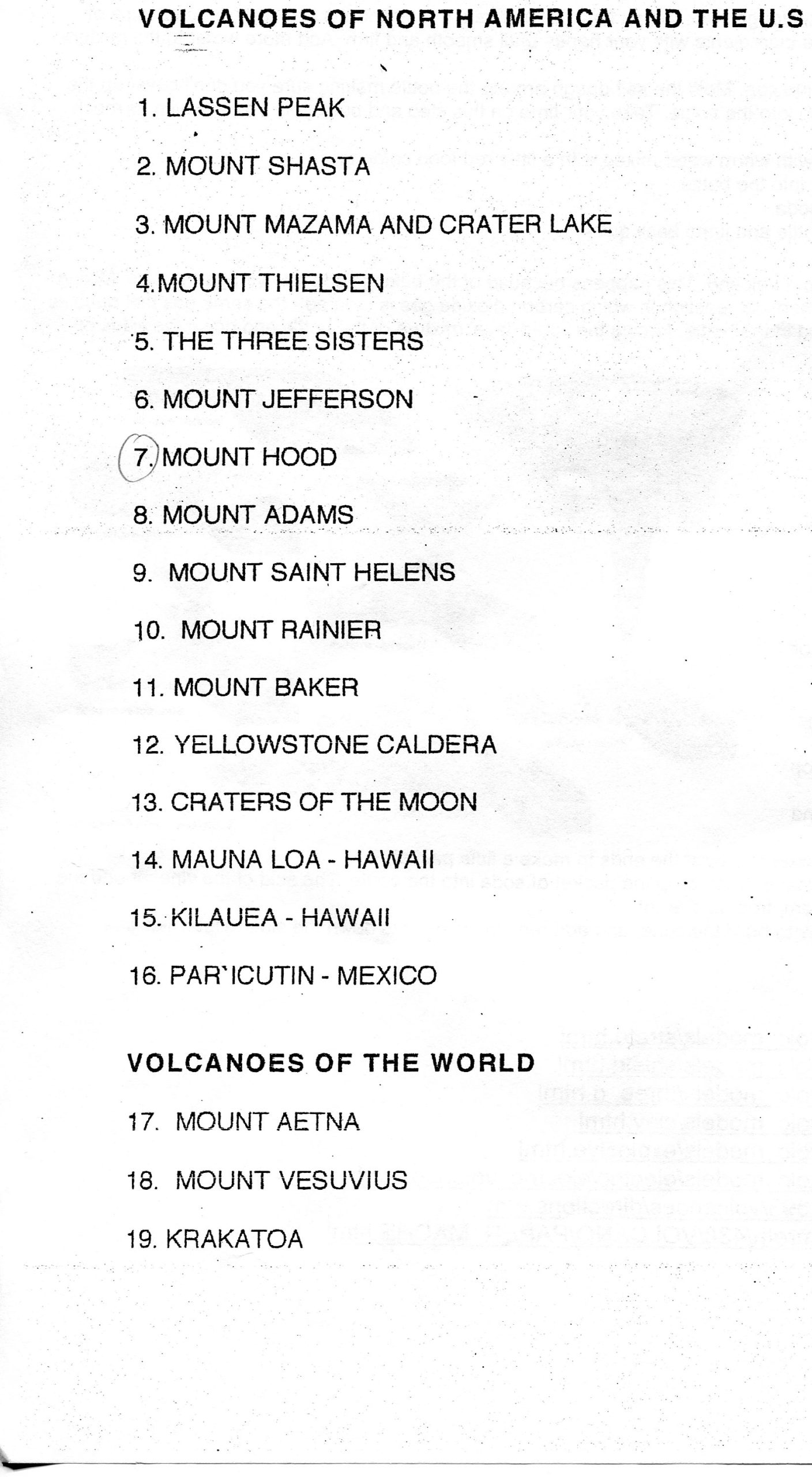
- Volcano Project List of Volcanoes
- Volcano Project Grading Rubric
- Volcano Project Poster Requirements
- Volcano Project Poster Template

Earth and Space Science Earthquake Information
Student will investigate how earthquake happen and the resulting features. Students will learn three different types of faults, how to locate and earthquake epicenter and the hazards of earthquakes.
Earth Science Text Resources: Chapter 8. Earthquakes and Earth’s Interior
- Cascadia quake 1700s
- Watch this great video on Earthquake basics from National Geographic
- Great site to learn about earthquake waves.
- Go here to access the Virtual Quake Lab
- Chech out these amazing Earthquake Simulations
- Look at these amazing picture of Hebgen Lake Earthquake of 1959
- Can we predict Earthquakes?
- Largest Quakes in U.S.A
- Base-isolation video
- Another Base-isolation video, only super big.
- Click here for up-to-date Earthquakes around the world from USGS
- Earthquake Notes
- Activity: Can you read a Quake?
- Activity: Can you read a Quake? Seismograms
- Earthquake Prediction Lab
- Earthquake Unit Test Review
- Earthquake Project: Shake, Rattle and Roll!
- Travel-time Graph in Kilometers
- Earthquake Notes Template
- Shake, Rattle and Role Project
Earth and Space Science Geologic Time Unit
Geologic Time Unit will take the students on a Journey Back into Time and investigate Relative Time, Absolute Time and the figure out how Scientists use Radiometric Dating to create the Geologic Time Scale.
Earth Science Text Resources:Chapter 12. Geologic Time; and Chapter 13. Earth’s History